
Worcester real estate
Explore homes, investment possibilities, and local guidance in Worcester.
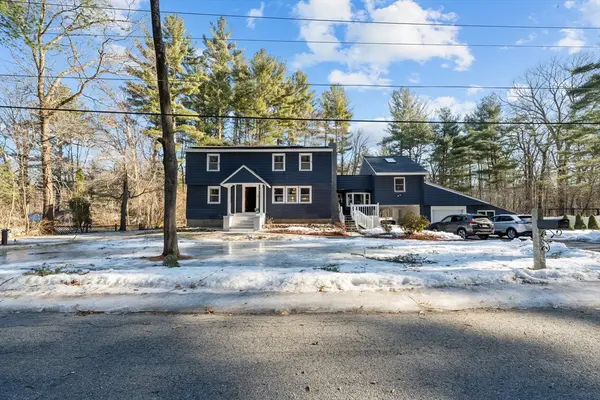
Explore nearby markets.
See the wider market picture.
Compare the six corridors profiled in the earlier site.
Explore market corridors ↗Get to know Worcester and Central Massachusetts
A practical guide to questions worth asking in worcester. No citywide number can tell you whether one property fits your goals.
Ask about worcester ↗Start at the property
A Worcester search becomes more useful when you narrow it by building type and neighborhood. A small multifamily, a single-family home, and a mixed-use building demand different analysis even when they share a ZIP code.
Walk the area and compare the property with truly similar sales or rentals. Ask what has changed in the building since the last transfer, what is still original, and whether the intended use is permitted. A citywide trend does not resolve a specific structural or financing issue.
Keep your notes on the address rather than on a vague idea of the city. Record the size and configuration, visible condition, ownership costs, nearby activity, and any feature that you will need to live with every day.
If you are investing
For an investor, build an operating budget from actual bills, lease documents, maintenance history, and contractor input. If a plan depends on a renovation, identify permits, access, tenant impacts, and a reserve for surprises before treating projected income as available cash.
Ask the seller or listing representative for the documents that support income and expenses. Review them with your agent, lender, inspector, attorney, and tax adviser as appropriate. Treat projections as scenarios until their assumptions are supported.
Compare with care
Choose comparable properties that match the use and condition of the one you are studying. A nearby sale can still mislead if it has a different number of units, a newer system, better parking, or a different legal status. Ask your agent to explain each adjustment in plain language.
Look for patterns across several pieces of evidence instead of anchoring on one asking price. If the available data is thin, widen the range of possible outcomes rather than pretending the estimate is precise.
Plan the next conversation
Tell Candor whether you are searching for a home, exploring an owner-occupied investment, selling, or evaluating a larger property. Share your timeline, the cash you can commit comfortably, and the uncertainties that worry you most.
A useful first meeting should produce a smaller search, a clearer question list, and a specific next action. It does not need to end with a property recommendation. The right pace is the one that lets you understand what you are deciding.
Make two visits count
On a first visit in worcester, focus on the broad fit. Notice access, street character, noise, building layout, and the things you cannot change easily. Take notes immediately afterward; details blur quickly when you see several properties in a day. If the place remains promising, use a second visit for specific questions rather than repeating the same tour.
On that return, bring the list of unknowns from your first visit. Look at the systems and spaces you skipped, ask for relevant documents, and consider how the property works in less convenient conditions. A morning impression and an evening impression may differ. If you are evaluating a rental, picture the experience of a future resident as well as the owner’s maintenance needs.
The aim is not to find a flawless property. It is to understand the tradeoffs well enough to decide whether they fit your priorities and resources. If the evidence remains thin, say so. Slowing down to verify one consequential fact can be more useful than collecting another dozen listings.
Tell us where you want to go. We’ll help you see the way forward.
One conversation. Clearer options.